


بالنسبة للطلبات الكبيرة، يُعدّ مصنّع صنابير الأحواض الخيار الأمثل عادةً. فالمصانع تُقدّم أسعارًا أقل، وخيارات تخصيص أوسع، ومراقبة جودة مباشرة لا تستطيع شركات الوساطة التجارية مُضاهاتها. أما شركات الوساطة التجارية، فهي أنسب للطلبات التجريبية الصغيرة أو عند الحاجة إلى تجميع فئات منتجات متعددة في شحنة واحدة.
ما هو مصنع صنابير المياه؟
أ مُصنِّع الصنابير تمتلك الشركة مرافق إنتاج وآلات وقوى عاملة تحوّل المواد الخام إلى منتجات نهائية. وهذا يشمل عمليات الصب بالقوالب، والتشغيل الآلي، والتلميع، والطلاء، والتجميع، و... الاختبار كل شيء يحدث تحت سقف واحد.
يتخصص المصنعون عادةً في مواد محددة مثل النحاس أو الفولاذ المقاوم للصدأ. إنهم يركزون على كفاءة الإنتاج وأنظمة الجودة بدلاً من الاعتماد على موردين آخرين.
عندما تتعامل مع المصنع مباشرةً، فإنك تتعامل مع الأشخاص الذين يصنعون المنتج فعلياً. وهذا يمنحك تحكماً أكبر في المواصفات والمواد والجداول الزمنية مقارنةً بما ستحصل عليه من خلال وسيط.
ما هي شركة تجارة صنابير المياه؟
تتوسط شركة تجارية بينك وبين المصانع. فهي لا تمتلك خطوط إنتاج، بل تقوم بتوريد المنتجات من مختلف المصنعين، وتتولى الخدمات اللوجستية، وغالباً ما توفر تواصلاً أفضل باللغة الإنجليزية.
توفر شركات التجارة تشكيلة واسعة من المنتجات. يمكنك الحصول على صنابير المياه، وخزائن الحمامات، والتركيبات الخزفية من خلال جهة اتصال واحدة، مما يبسط العمليات اللوجستية عندما تأتي المنتجات من مصانع مختلفة.
المقابل هو انخفاض مستوى الشفافية. فغالباً لا تعرف بالضبط أين تُصنع المنتجات أو كيف تتم إدارة الجودة على مستوى المصنع.
الاختلافات الرئيسية بين الشركة المصنعة وشركة التجارة
عندما يتعلق الأمر بـ مصنع صنابير المياه فيما يتعلق بالفرق بين شركات التداول، ستحتاج إلى تقييم ما يلي:
التسعير
يقدم المصنعون أسعارًا أفضل لعدم وجود هامش ربح للوسطاء. بالنسبة للطلبات بالجملة، يمكن أن يعني ذلك توفيرًا يتراوح بين 30 و401 تيرابايت مقارنة بعروض شركات التجارة.
توفر شركات التجارة كميات طلب دنيا أقل، مما يُسهّل عملية اختبار الأسواق الجديدة. لكن أسعار الوحدات تكون أعلى لأنها تضيف حصتها إلى تكاليف المصنع.
تخصيص المنتج
إذا كانت علامتك التجارية بحاجة إلى أشكال مخصصة، أو تشطيبات محددة مثل ذهب مصقول أو أسود مطفي, أو علامات تجارية معينة للخراطيش، فأنت بحاجة إلى شركة مصنعة. أما شركات التداول فتقتصر على تغييرات أبسط مثل وضع الشعار أو تغيير التغليف.
تقدم المصانع خدمات تصنيع المعدات الأصلية (OEM) التي تُحوّل تصميمك إلى منتج فعلي. فهي تُعدّل القوالب، وتُكيّف المواد، وتُنتج تشطيبات تُناسب متطلبات السوق. هذا الخيار مُناسب للمشترين الذين يُطوّرون علامات تجارية خاصة. صنابير الأحواض أو نماذج مثبتة على الحائط, إن العمل مباشرة مع المصنع يجعل العملية أسرع.
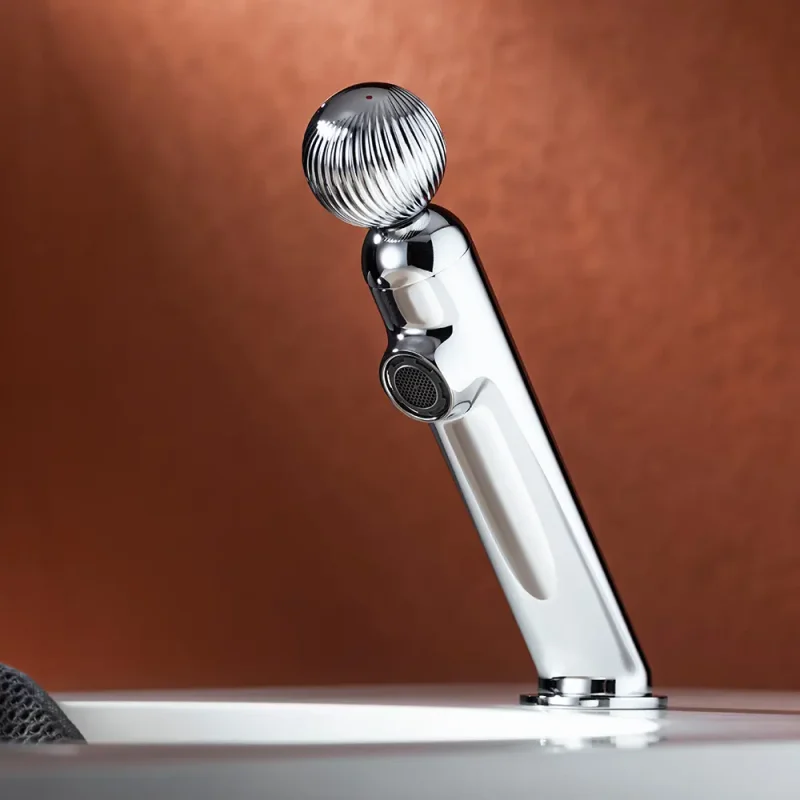
اكتشف صنبور حوض الغسيل DG22510 من AIM، بتصميمه المستوحى من العصا السحرية. مصنوع من النحاس الصلب، ويتميز بمقبض تحكم محزز، وصمام سيراميكي، وخيارات تشطيب متعددة. مورد جملة معتمد لخدمات تصنيع المعدات الأصلية (OEM) وتصميم المنتجات الأصلية (ODM).
عرض المنتج الجديدضبط الجودة
تتحكم المصانع في كل شيء بدءًا من النحاس الخام وحتى اختبار الضغط النهائي. ويمكنها إجراء اختبارات رش الملح لمدة 200 ساعة للطلاء أو اختبار التسرب 100% قبل شحن أي منتج.
تعتمد شركات التجارة على مفتشين من جهات خارجية أو تقارير مراقبة الجودة التي تتلقاها من المصانع بشكل غير مباشر. هذا الأسلوب مناسب للمنتجات العادية، لكن مشاكل الجودة العميقة غالباً ما تفلت من الرقابة لأنها لم تُكتشف في مصدرها.
شفافية الإنتاج
العمل مع شركة مصنعة يعني معرفة مكان تصنيع المنتجات، والمواد المستخدمة فيها، وكيفية إجراء الاختبارات. وهذا أمر بالغ الأهمية عند الحاجة إلى وثائق الامتثال لمعايير مثل NSF/ANSI 61 أو WRAS.
غالباً ما تحمي شركات التجارة مصادر مصانعها. وهذا أمر مفهوم من جانبها، ولكنه يحد من قدرتك على التحقق من جودة المنتجات أو بناء علاقات مباشرة مع الأشخاص الذين يصنعون منتجاتك.
هل من الأفضل الشراء من المصنع أم من شركة تجارية؟
يعتمد الجواب على حجم الطلب، واحتياجات التخصيص، ومدى التحكم الذي ترغب فيه بالجودة.
بالنسبة للطلبات الكبيرة والمتكررة حيث يُعد السعر والجودة عاملين مهمين، تُعتبر المصانع خيارًا أفضل. أما بالنسبة لطلبات الاختبار الصغيرة أو الشحنات المجمعة عبر فئات المنتجات المختلفة، فإن شركات التجارة توفر مزايا قد تفوق هامش الربح.
بعض الأسئلة تساعدك على تحديد الخيار الأنسب لحالتك:
- هل تطلب كمية كافية لتلبية الحد الأدنى لكميات الطلب من المصنع؟
- هل تحتاج إلى مواصفات مخصصة، أم أن المنتجات القياسية ستفي بالغرض؟
- ما مدى أهمية الإشراف المباشر على الجودة والمواد؟
- هل تقوم بتوريد فئة واحدة أم بتوحيد أنواع متعددة من المنتجات؟
متى يجب عليك اختيار شركة تجارية؟
تُناسب شركات التجارة حالات معينة بشكل جيد.
إذا كنت تحتاج إلى أقل من 200 وحدة لاختبار السوق، فإن معظم المصانع لن تقبل الطلب. تعمل شركات التجارة بكميات طلب دنيا أقل لأنها تجمع الطلب من مختلف المشترين.
إذا كنتَ تجمع منتجات من مصنّعين مختلفين، كصنابير المياه والمرايا ووحدات الحمام مثلاً، فإنّ شركة تجارية تتولى الخدمات اللوجستية لتجميع كل شيء في حاوية واحدة. يصعب إدارة ذلك عند التعامل مع مصانع متعددة مباشرةً.
إذا كنت جديدًا في مجال الاستيراد وتحتاج إلى مساعدة في إعداد الوثائق وإجراءات الجمارك، فإن شركات التجارة تقدم دعمًا لا توفره المصانع عادةً. لقد تعاملت هذه الشركات مع العملية مرات عديدة ويمكنها إرشادك خلالها.
متى يجب عليك العمل مباشرة مع الشركة المصنعة؟
بالنسبة للمشترين من الشركات الذين يقومون بطلبات بالجملة أو متكررة، فإن العلاقات المباشرة مع المصانع توفر مزايا واضحة.
يُعدّ التعاون مع مُصنّع صنابير الأحواض خيارًا منطقيًا عند طلب كميات كبيرة والحاجة إلى أقل تكلفة للوحدة. كما يُعدّ خيارًا مناسبًا أيضًا عند الرغبة في الحصول على منتجات تحمل علامة تجارية خاصة بقوالب أو تشطيبات مُخصصة، أو عند وجود متطلبات صارمة فيما يتعلق بالطلاء أو جودة المواد أو الاختبارات.
تمنحك العلاقات المباشرة نفوذاً أكبر عند ظهور المشاكل أيضاً. فأنت تتحدث إلى الأشخاص الذين صنعوا المنتج بدلاً من وسيط ينقل الرسائل ذهاباً وإياباً.
كيفية اختيار مورد الحنفيات باستخدام 5 معايير
بعد أن تحسم أمرك بين شركة تصنيع وشركة تجارية، لا يزال عليك التحقق من الموردين المحددين. إليك ما يجب البحث عنه.
هل يملكون المصنع؟
ابدأ من هنا. إذا كانوا يمتلكون خطوط الإنتاج، فأنت تتحدث إلى مُصنِّع. أما إذا كانوا يستوردون المنتجات من مصانع أخرى، فهذه شركة تجارية. ليس هذا عيبًا جوهريًا، ولكنه يُغيِّر ما يُمكن توقعه من حيث الأسعار ومراقبة الجودة.
هل يمكنك فعلاً رؤية مكان تصنيع المنتجات؟
لا يمانع المصنّعون عادةً في اصطحابك في جولة تعريفية. صور، فيديوهات، زيارات للمصانع. أما شركات التجارة فتتحفظ في هذا الأمر لأنها لا ترغب في أن تتواصل مباشرةً مع مصادرها. وهذا مفهوم من جانبهم، لكنه يُشير إلى شيء ما.
من أين تأتي هذه الشهادات؟
انظر إلى تقارير الاختبار. يجب أن يكون اسم المصنع مُدرجًا عليها. إذا كانت الشهادات تُشير إلى شركة لم تسمع بها من قبل، فهذه هي الشركة المُصنِّعة الفعلية. من المهم معرفة من يصنع منتجاتك فعلاً.
ماذا يحدث إذا ظهر شيء ما بشكل خاطئ؟
هنا تُختبر العلاقات. من يتولى أمر claims؟ من يتحمل تكاليف الشحن للبدائل؟ ما مدى سرعة استجابتهم؟ قد يبدو أي شخص متعاونًا قبل إرسال المال. الاختبار الحقيقي يظهر عند حدوث مشكلة.
كيف تتغير الأسعار مع نمو أعمالك؟
استفسر عن الحد الأدنى لكمية الطلب، ثم اسأل عما يحدث عند زيادة الكمية إلى الضعف أو خمسة أضعاف. بعض الموردين يصبحون أكثر تنافسية مع ازدياد الطلبات، بينما لا يملك آخرون مجالاً كبيراً للمناورة. من الأفضل معرفة ذلك مبكراً.
لماذا يُعدّ نظام AIM فعالاً لمشتري الشركات؟
شركة AIM هي شركة تصنيع صنابير مباشرة، تتولى جميع مراحل الإنتاج من صب النحاس إلى التجميع النهائي في منشأة واحدة. نقوم بالشحن إلى أكثر من 68 دولة، ونتعاون مع المشترين الذين يحتاجون إلى طلبات تجريبية صغيرة أو كميات إنتاج كبيرة.
الجودة هي أساس عملنا. تخضع كل وحدة لاختبار الضغط قبل مغادرتها. وتخضع التشطيبات لاختبارات رش الملح. عملية الاختبار والفحص يتم توثيق النتائج في كل مرحلة، بحيث تكون لديك الأوراق اللازمة عندما يطلبها المشترون أو الجمارك.
ألا تجد ما تبحث عنه في الكتالوجات العادية؟ لدينا خدمات OEM وODM نُتيح لك إمكانية استخدام تصاميمك الخاصة أو تعديل تصاميمنا بإضافة ارتفاعات مختلفة للفوهات، وأنواع مختلفة للمقابض، وتشطيبات متنوعة، أو علامات تجارية مختلفة للخراطيش. بفضل تصاميمها الحائزة على جوائز Red Dot و iF Design، تُرسّخ AIM مكانتها كشركة رائدة في تصنيع صنابير المياه الأصلية (OEM/ODM) عالية الجودة، مع التركيز على الابتكار والجودة.
يمكنك زيارة منشأة إنتاج وتعرّف على مكان تصنيع المنتجات. هذه الشفافية هي جزء مما يميّز العمل مع المصنّع عن العمل من خلال شركة تجارية.


